What to Expect from a Tanzania Safari and Beach Holiday
@safaribeachholidaytanzaniawire
November 8, 2026 · 8 min read
Why combine wildlife and coast in one trip?
Many travelers assume a Tanzania safari means days of dust and dawn game drives with little downtime. That picture is only half true. The country also holds some of the Indian Ocean's most relaxed beaches, especially around Zanzibar. A safari beach holiday Tanzania gives you two distinct experiences in one journey: the raw drama of the bush and the calm of a tropical shore. The key is knowing how to plan the transition so you get the best of both without feeling rushed.
Understanding the geography
Tanzania's mainland parks lie hundreds of kilometers inland. The Serengeti, Ngorongoro Crater, Tarangire, and Lake Manyara are the classic circuit. Zanzibar sits off the coast, a short flight from Arusha or Kilimanjaro airports. The distance between the two worlds is not small, but it is manageable. A typical arrangement splits the trip into a wildlife block on the mainland and a beach block on the island. The order matters: most people find it easier to do the safari first, then fly to Zanzibar to rest and recover. Doing it in reverse works too, though the transition from beach to bush can feel abrupt.
The wildlife side of the equation
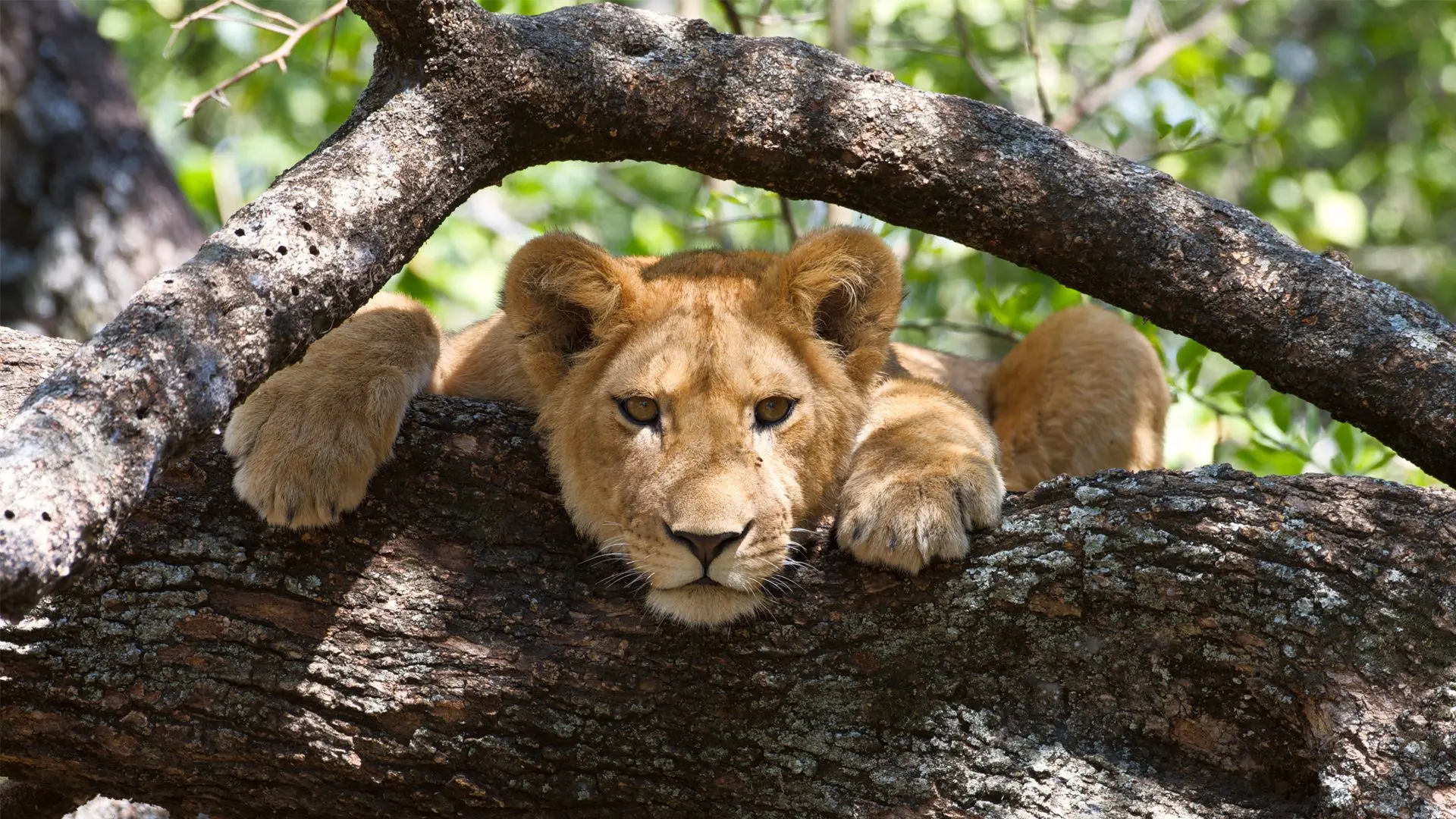
Serengeti is the main draw for most visitors. Its vast grasslands host the Great Migration of wildebeest and zebra, along with lion, cheetah, and leopard. A fly-in safari from Zanzibar is a popular option for people short on time. You fly from Zanzibar to a Serengeti airstrip, spend a few days in the park, and return to the coast. This arrangement cuts out long drives. It also lets you see the park without committing to a full circuit. For those with a bit more time, a tailor-made safari that includes Tarangire or Lake Manyara adds variety. Tarangire is famous for its elephant herds and baobab trees. Lake Manyara offers tree-climbing lions and huge flocks of flamingos.
A few practical points to keep in mind. Game drives start early, often before sunrise, because animals are most active in the cool morning hours. You will be in a vehicle for several hours at a time. Bring layers: mornings can be cold, afternoons hot. The roads inside parks are rough, so expect some jostling. Most lodges and camps provide decent meals, but the food is simple. If you have dietary restrictions, let your tour operator know well ahead.

The beach side of the equation
Zanzibar is the main beach destination, but it is not the only one. The island has a long history as a trading hub, and its culture blends Swahili, Arab, Indian, and European influences. Stone Town, the old quarter, is a UNESCO World Heritage site with narrow alleys, carved doors, and bustling markets. The beach hotels stretch along the northeast and southeast coasts. Nungwi and Kendwa on the north have white sand and clear water. The east coast, around Jambiani and Paje, is better for snorkeling and kayaking. The west coast has fewer tourists and a quieter feel.
Beach time in Zanzibar is not all about lying in the sun. You can take a spice tour, visit a local fishing village, or try kite surfing. The island's reefs offer good snorkeling and diving. The water is warm year-round. The main trade-off is the tide. At low tide, some beaches expose a wide stretch of sand that is not ideal for swimming. Check the tide charts before you book accommodation. Also, the beaches are public, so you will have local vendors walking along the sand. A polite "no, thank you" usually works.
One of the most appealing aspects of this type of trip is the contrast. After days of tracking wildlife in the bush, the slow pace of island life feels like a reward. You can sleep in, eat fresh seafood, and walk barefoot on the sand. Many travelers find that the combination makes the safari feel more intense and the beach feel more restorative. That is the real value of a safari beach holiday Tanzania: you get two distinct moods that complement each other.
Practical planning tips
Getting the timing right is important. The dry season from June to October is the best time for wildlife viewing in the Serengeti. It is also the peak tourist season, so lodges and flights fill up early. The wet season from November to May brings green landscapes and fewer crowds, but some roads become muddy and animals spread out. Zanzibar has a similar dry season, though the long rains fall from March to May. The short rains in November and December are usually manageable. If you want to see the Great Migration river crossings, plan for July through September. If you want to see calving season and predators, January and February are better.
Flights and transfers
The standard route is to fly into Kilimanjaro International Airport (JRO) or Arusha (ARK), do the safari, then fly from Arusha to Zanzibar (ZNZ). Several regional carriers operate the short flight between the mainland and the island. The flight takes about an hour. You can also fly from Serengeti directly to Zanzibar, which saves a full day of driving. That option is more expensive but worth it if your time is limited.
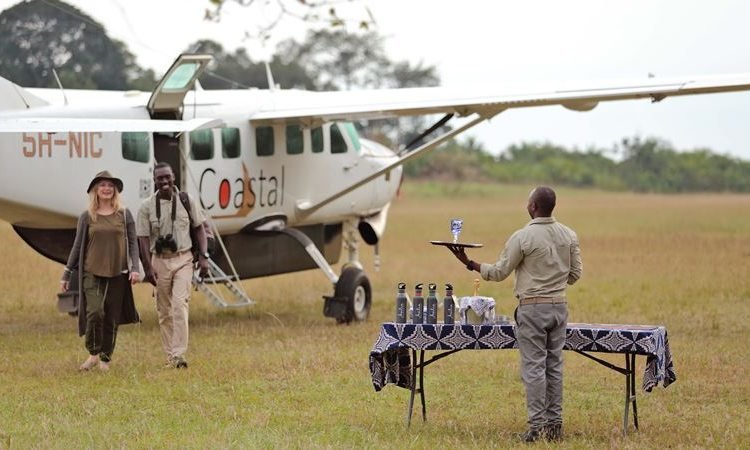
Once on Zanzibar, you will need a transfer from the airport to your hotel. The drive can take anywhere from 30 minutes to two hours depending on the location. Many hotels arrange transfers, or you can book a private taxi. The roads on the island are narrow and traffic can be slow, so factor that into your schedule.
Accommodation choices
On the safari side, you have options that range from basic tented camps to luxury lodges. The choice affects your experience more than you might think. A tented camp puts you closer to the sounds of the bush. A lodge with a pool and restaurant gives you more comfort but less immersion. There is no right answer; it depends on your tolerance for roughing it. On the beach side, Zanzibar offers everything from budget guesthouses to all-inclusive resorts. The mid-range places often give the best value: clean rooms, good food, and a friendly atmosphere without the high price tag of a resort.
Packing for both worlds
Packing is a challenge because the two halves require different gear. For the safari, you need neutral-colored clothing (khaki, olive, beige), a hat, sunscreen, insect repellent, binoculars, and a camera with a good zoom lens. For the beach, you need swimwear, light cotton clothes, sandals, and a good book. The trick is to pack light and accept that you will wear the same few items. Many travelers use a small duffel for the safari and a backpack for the beach. A packing cube system helps keep things organized.
What you miss by combining
No trip can cover everything. Combining safari and beach means you will have less time in each place. You might skip a park like Selous or Ruaha, which are further south. You might not have time for a walking safari or a night game drive. You might only scratch the surface of Zanzibar's history and culture. The trade-off is acceptable for most people because the variety makes the trip memorable. If you have two weeks or more, you can see the highlights without feeling stretched. With only ten days, you will need to be selective.
Another thing to watch out for is fatigue. The safari part is physically demanding. You get up early, ride on bumpy roads, and spend hours in the sun. By the end of it, you may be tired. The beach part is meant to be relaxing, but the transition requires a travel day. That day can be long and tiring. Build in a rest day after you arrive on Zanzibar. Do not schedule a flight or a long excursion for the day you land.
Choosing a tour operator
Most people book through a tour operator to handle the logistics. The operator arranges the safari, the internal flights, and the beach accommodation. They also provide a guide for the game drives. A good guide makes a huge difference. They know where to find animals, how to read tracks, and how to keep you safe. They also handle the paperwork at park gates. When you compare operators, look at the vehicles they use, the size of the group, and the quality of the lodges. Ask for a detailed itinerary. Make sure the operator is licensed and insured. The site context mentions Golden Trips Tanzania as one option for tailor-made tours. If you search for operators, compare their offerings to see what fits your style and budget.
Final thoughts
A safari beach holiday Tanzania works best when you treat it as two separate trips joined by a short flight. Do not try to see everything. Pick one or two parks for the safari and one area of Zanzibar for the beach. Accept that you will miss some things. The reward is a holiday that shifts from wild to calm, from dusty to sandy, from adventure to rest. That contrast is what makes the trip feel complete.